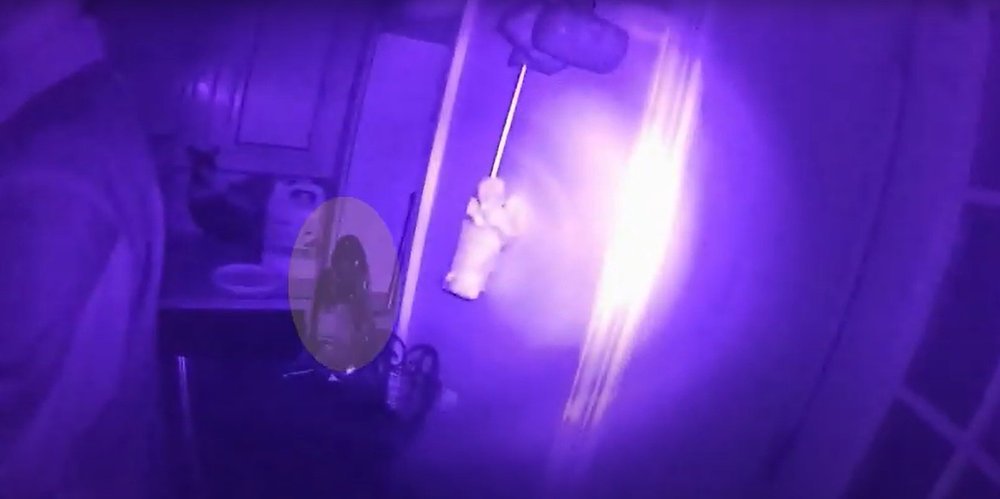
The flickering glow of the television screen has long served as a window into worlds unknown, but when it comes to the supernatural, The Cultural Impact & Psychology of Paranormal TV isn't just about entertainment—it's about shaping our very perception of reality. From spectral investigations to chilling fictional narratives, these shows don't just tell stories; they subtly influence what we believe, how we interpret ambiguous events, and even our collective worldview. This isn't mere conjecture; it's a phenomenon deeply rooted in psychological principles, with profound implications for how we understand ourselves and the unseen forces we imagine.
At a Glance: What You'll Discover
- Media Shapes Reality: How prolonged exposure to paranormal TV subtly alters viewers' perceptions and beliefs about the supernatural, a concept known as Cultivation Theory.
- The Power of Framing: Different formats—from "reality" ghost hunts to horror films—leverage specific techniques to legitimize or dramatize paranormal claims, blurring the lines between fact and fiction.
- Psychological Undercurrents: Understand the mental mechanisms, like selective exposure and cognitive accessibility, that make us more susceptible to believing in ghosts, psychics, and cryptids after watching these shows.
- Mainstreaming the Mysterious: Discover how paranormal media has taken niche beliefs into the cultural mainstream, normalizing the once extraordinary.
- Building Your Skepticism Toolkit: Learn practical strategies for developing media literacy and critical thinking skills to navigate the sensationalized world of paranormal entertainment.
- The Future of Belief: Explore how emerging technologies like VR and AI could amplify these effects and why continuous critical assessment is crucial.
Beyond the Jump Scare: How Paranormal TV Rewires Our Reality
Walk into almost any bookstore, flip through streaming services, or scroll through social media, and you'll quickly encounter the paranormal. It's no longer relegated to obscure corners; it's a multi-million dollar industry, generating revenue through everything from magazines and books to live events and, of course, a pervasive presence on our screens. In the US, a significant two-thirds of the population believes in extra-sensory perception or hauntings, a figure mirrored across many Western countries. This widespread acceptance isn't accidental; it's meticulously, if often unintentionally, cultivated by the media we consume.
Think about it: how many times have you heard someone describe a strange occurrence as "something out of a show"? Or seen an unexplainable shadow and immediately thought of a "ghost hunter" episode? This intertwining of media narratives with our personal experiences highlights a profound psychological dynamic at play. Paranormal television, whether a chilling documentary or a fictional thriller, doesn't just entertain; it actively participates in the social construction and normalization of beliefs in the supernatural, making the extraordinary feel... ordinary.
The Unseen Architect: Decoding Cultivation Theory
To truly grasp how paranormal TV influences us, we need to understand Cultivation Theory, a cornerstone of media studies pioneered by George Gerbner in 1969. At its heart, cultivation theory posits that prolonged, consistent exposure to media content gradually shapes our perceptions of the world, our values, and our beliefs, eventually translating into how we perceive reality. It's not about a single show changing your mind, but the cumulative effect of countless hours of similar narratives.
Imagine a garden: a single drop of water won't make a plant grow, but continuous watering over time will. Media works similarly, drip-feeding us images and narratives that, when repeated, begin to sprout into our subconscious understanding of how the world operates.
The Mean World Syndrome: When Perception Distorts Reality
Gerbner's most famous application of cultivation theory is the "Mean World Syndrome." This describes a cognitive bias where individuals who consume a lot of violent media tend to perceive the world as more dangerous, threatening, and malevolent than it actually is. They overestimate their chances of being a victim of crime, despite real-world statistics.
While not directly about the paranormal, this concept provides a powerful analogy. Just as violent TV cultivates a sense of danger, paranormal TV can cultivate a sense of mystery, a belief in unseen forces, or a readiness to attribute ambiguous events to supernatural causes. The world isn't just mean; it might also be teeming with spirits, cryptids, or psychics, if your media diet primarily consists of such content.
Mainstreaming: Creating Shared Realities
Another key concept is mainstreaming. This suggests that diverse audiences, when exposed to similar media messages over long periods, tend to develop a shared, more homogeneous worldview. Think about beauty standards propagated by advertising—people from vastly different backgrounds can come to share a common idea of what's "attractive" because of consistent media exposure.
In the realm of the paranormal, mainstreaming means that various viewers, regardless of their initial backgrounds, might begin to share common ideas about what ghosts look like, how hauntings manifest, or the methods used to investigate them, all influenced by popular shows. The "rules" of the supernatural become widely accepted cultural lore, even if they originated in a TV script.
Resonance: When Media Echoes Life
Resonance occurs when media stories align with a viewer's real-life experiences or existing beliefs, thereby amplifying and validating those perceptions. If you've ever felt a chill in an empty room or heard a strange creak at night, and then watched a show depicting similar phenomena, the media experience "resonates" with your own.
This isn't about the media creating a belief from scratch, but rather strengthening an existing predisposition. If you already have a slight inclination towards believing in ghosts, seeing a "documentary" that mirrors your own eerie experiences can powerfully reinforce your belief, making it feel more real and less isolated.
From Ghost Hunts to Fictional Fears: Media's Direct Line to Beliefs
Research consistently backs the principles of cultivation theory when it comes to paranormal beliefs. Studies, such as a 2019 investigation by Irwin and Wilson and a 2020 survey by Bader and Mencken, have found a clear correlation: individuals who consume more paranormal-themed media—whether TV series, films, or documentaries—tend to report higher levels of belief in supernatural phenomena. It's not just a casual interest; it's a deep-seated influence. When you Explore paranormal programs on TV, you're tapping into a powerful current of cultural influence.
But how exactly do different types of media content exert this influence?
The Power of Different Formats: Crafting Perception
- "Reality" TV & Documentaries: The Illusion of Credibility
- Shows like Ghost Hunters, Paranormal State, or Ghost Adventures are often presented as "real investigations." They feature "experts" using specialized equipment (EMF meters, thermal cameras, spirit boxes) to gather "evidence." While highly dramatized and edited for entertainment, they create the illusion of objective inquiry. Viewers might think, "If these professionals are taking it seriously, there must be something to it." This format can legitimize claims by presenting fabricated or ambiguous evidence as concrete proof, blurring the line between entertainment and factual reporting.
- Fictional Narratives: Crafting Cultural Myths
- From classic horror films like The Exorcist to modern blockbusters like The Conjuring series, and even long-running TV dramas like The X-Files or Supernatural, fictional genres use exaggeration, suspense, and evocative imagery to evoke fear and explore cultural ideas about supernatural forces. While overtly fictional, these stories contribute to the collective "mythology" of the paranormal. They establish common tropes, give shape to our fears, and define what we imagine ghosts, demons, or cryptids to be. The line between a fictional story and a cultural belief can become incredibly porous over time.
- News Reports & Social Media: The Echo Chamber Effect
- Even traditional news outlets can contribute, depending on their editorial stance. A news segment reporting on a "haunted house" or a "UFO sighting" can lend a veneer of legitimacy through its authoritative format, even if the reporting is light on actual evidence.
- Social media platforms take this a step further. They facilitate community building around paranormal topics, allowing users to share theories, alleged evidence, and personal accounts. This creates self-reinforcing echo chambers where beliefs are validated and amplified, often without critical scrutiny. A viral video claiming a ghost sighting, however easily debunked, can quickly sway opinions within these communities.
Why We Buy It: The Psychology Behind the Cultivation Effect
Beyond simply consuming content, specific psychological processes drive why paranormal media has such a potent cultivation effect. These mechanisms demonstrate how media contributes to the social construction and normalization of paranormal beliefs in our minds.
Selective Exposure: We Seek What We Believe
Humans have a natural tendency to seek out information that confirms their existing beliefs and avoid information that contradicts them—this is selective exposure. If you already have a nascent belief in the supernatural, you're more likely to tune into Ghost Hunters or The X-Files. This isn't just about enjoyment; it's a subconscious reinforcement loop. The more you watch, the more your belief is affirmed, and the more likely you are to seek out similar content, thereby strengthening those beliefs further. It's a feedback cycle that solidifies your existing worldview.
Social Comparison: Normalizing the Supernatural
Social comparison is the process by which we evaluate our own opinions, abilities, and experiences by comparing them with others. When paranormal beliefs are frequently portrayed in media, especially by characters or "experts" presented as credible, it can normalize these beliefs. If a TV show consistently depicts people encountering ghosts or using psychic abilities, it makes these phenomena seem more common and less extraordinary. This can lead viewers to think, "If everyone on TV is experiencing this, maybe my strange experience isn't so unusual after all." The media effectively sets a benchmark, making paranormal beliefs appear more widespread and therefore more acceptable.
Cognitive Accessibility: Making the Unseen Seem Plausible
Cognitive accessibility refers to how easily certain thoughts, ideas, or concepts come to mind. When paranormal explanations are frequently presented in media, they become more mentally accessible. This means that when you encounter an ambiguous event in your own life—a strange noise, an object moving, a feeling of being watched—a paranormal explanation might be the first thing that springs to mind, simply because you've seen it so often on screen. The media has primed your brain to consider supernatural causes as plausible interpretations for unexplained occurrences, even when more mundane explanations might exist.
These psychological shortcuts, combined with the persuasive power of different media formats, create a fertile ground for the cultivation of paranormal beliefs.
Navigating the Paranormal Landscape: Building Media Literacy
Given the pervasive influence of paranormal TV, developing strong media literacy and critical thinking skills isn't just a good idea; it's essential. It empowers you to critically assess what you're watching and form informed perspectives, rather than passively absorbing presented realities.
The Crucial Role of Critical Thinking
Critical thinking means actively questioning, analyzing, and evaluating information rather than simply accepting it at face value. When watching a paranormal show, ask yourself:
- What's the evidence? Is it verifiable? Or is it anecdotal, ambiguous, or manipulated through editing?
- Who are the "experts"? What are their credentials? Do they have a vested interest in promoting belief (e.g., selling books, tours)?
- What's the agenda? Is the primary goal to entertain, inform, or persuade? For most paranormal TV, entertainment and sensationalism drive content decisions.
- Could there be alternative explanations? Are there non-supernatural reasons for what's being shown (e.g., pareidolia, infrasound, psychological effects, natural phenomena)?
Questioning "Evidence" and Dramatization
Paranormal shows thrive on ambiguity and dramatic tension. They often present "evidence" that is inherently subjective:
- EVPs (Electronic Voice Phenomena): Often faint, distorted sounds interpreted as voices, highly susceptible to wishful hearing.
- Orbs/Anomalies: Frequently dust, insects, camera strap reflections, or lens flares misidentified as spirits.
- Dramatic editing: Segments are often cut to maximize suspense, making mundane events seem supernatural. A long pause followed by a sudden sound, for instance, is a classic editing trick.
- Leading questions: Investigators often ask questions that prompt specific responses, guiding a narrative rather than objectively observing.
Understanding these common techniques allows you to appreciate the entertainment value without necessarily accepting the presented claims as truth.
Recognizing Media Bias
Every piece of media has a bias, whether intentional or not. Paranormal shows, by their very nature, are biased towards the existence of the paranormal. If a ghost investigation show consistently found nothing, it wouldn't be very entertaining or long-running. They are incentivized to find "something," even if it requires interpretation or dramatization. Being aware of this inherent bias helps you approach the content with a healthy dose of skepticism.
The Future Is Here: AI, VR, and Amplified Paranormal Beliefs
The landscape of media consumption is rapidly evolving, and with it, the potential for cultivating beliefs in unprecedented ways. The rise of immersive technologies like virtual reality (VR) and artificial intelligence (AI) could significantly amplify the cultivation effects seen with traditional TV.
Imagine a VR experience where you are "inside" a haunted house, with AI-driven entities reacting to your movements, whispering in your ear, and creating incredibly realistic, personalized scares. Such an experience could be so viscerally convincing that it blurs the lines of reality even further than a flat screen ever could. The emotional and cognitive impact of such immersive content could deeply embed paranormal concepts, making them even more cognitively accessible and emotionally resonant.
This necessitates continuous investigation into these new frontiers. As technology becomes more sophisticated, so too must our critical thinking tools and our understanding of how these powerful mediums influence our minds.
Your Toolkit for Informed Viewing: Actionable Steps
Becoming a more discerning viewer of paranormal content isn't about eradicating belief; it's about fostering informed belief and critical thinking. Here’s how you can empower yourself:
- Be a Critical Consumer, Not a Passive Spectator: Don't just watch; engage with the content critically. Pause, question, research. Ask yourself: "What am I seeing? How is it being presented? What's not being shown?"
- Discuss and Debunk (Respectfully): Talk about paranormal shows with friends and family. Share your skeptical observations. Engaging in respectful discussion can help everyone see different perspectives and critically evaluate claims.
- Seek Diverse Sources and Scientific Counterpoints: If a show makes a dramatic claim, seek out scientific explanations or alternative perspectives. Look for information from skeptics, cognitive psychologists, and researchers who study perception and illusion. Understanding the tricks of the mind or natural phenomena can often provide compelling, non-supernatural answers.
- Understand the "Why" Behind the Show: Remember that paranormal TV is, first and foremost, entertainment. Its primary goal is to generate ratings, not necessarily to conduct rigorous scientific inquiry. Appreciate it for its entertainment value, but always remember that the dramatic narrative takes precedence over verifiable truth.
- Practice Media Literacy Daily: Apply the critical thinking skills you use for paranormal shows to all media: news, social media feeds, advertisements. This habit of critical engagement will serve you well in all aspects of life.
Unmasking the Unseen Influence: Final Thoughts on Informed Belief
The cultural impact and psychology of paranormal TV are far more profound than a simple spooky story. These shows are powerful cultivators of belief, shaping our perceptions through repeated narratives, psychological shortcuts, and the normalization of the extraordinary. They tap into our innate curiosity about the unknown, our desire for meaning, and our susceptibility to suggestion.
By understanding cultivation theory, recognizing media biases, and actively cultivating our own media literacy, we don't diminish the wonder of the unknown. Instead, we become empowered consumers, capable of discerning entertainment from evidence, and forming our own beliefs based on thoughtful consideration rather than passive absorption. The goal isn't to dismiss every strange creak as a mundane event, but to approach the mysteries of the world—both seen and unseen—with an open mind, a critical eye, and a well-informed perspective.