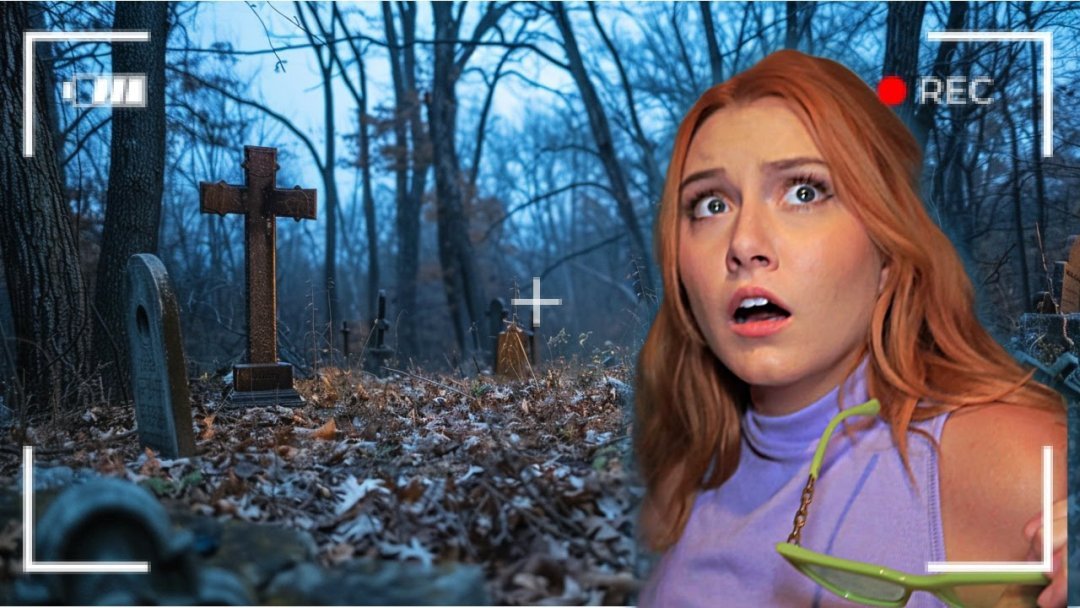
The flickering lights, the chilling whispers, the inexplicable shadows – for decades, paranormal television has invited us into worlds beyond our everyday understanding. Far from mere entertainment, these shows tap into a primal human curiosity about what lies beyond. But behind every spine-tingling moment are the Key Personalities & Teams in Paranormal TV who define the genre, pushing boundaries, forging new investigative methods, and often, risking their own well-being to bring us closer to the unknown.
These aren't just faces on a screen; they are the trailblazers, the skeptics, the psychics, and the tech gurus who've shaped how we perceive the supernatural. Their journeys are as varied as the phenomena they chase, ranging from aggressive provocations to empathetic attempts at communication, and from high-tech gadgetry to profound spiritual insights.
At a Glance: Understanding Paranormal TV's Movers & Shakers
- Pioneers Paved the Way: Shows like Ghost Hunters established the foundational "ghost hunting" formula many follow today.
- Diverse Approaches Define Impact: From Zak Bagans' aggressive, tech-heavy style to the empathetic, spirit-helping mission of Kindred Spirits, methods vary wildly.
- Beyond Gadgets: While EVP recorders and infrared cameras are staples, many teams integrate psychics, mediums, and historical researchers for deeper context.
- Global Haunts, Local Legends: Paranormal investigations aren't confined to American shores; some shows deliberately seek out international histories and unique cultural hauntings.
- The Human Element Reigns: Whether it’s investigators risking possession or exploring the tragic pasts of locations, the personal connection to the supernatural fuels viewer engagement.
The Genesis of Ghost Hunting: Setting the Stage
Before the myriad of spectral series we see today, there was a show that meticulously laid the groundwork for modern paranormal investigation on screen: Ghost Hunters. Born from the real-life investigations of The Atlantic Paranormal Society (TAPS), this series brought a grounded, almost scientific approach to a fantastical subject. Its investigators, like plumbers Jason Hawes and Grant Wilson, championed the use of technology and logical deduction before resorting to paranormal explanations.
This foundational show demystified the process, showing audiences how to set up equipment, analyze evidence, and conduct interviews, ultimately inspiring a generation of phantom-seekers and setting the stage for the diverse array of shows that would follow. Without TAPS, the landscape of paranormal television would undoubtedly look very different.
Masters of the Macabre: The Aggressive & Tech-Forward Investigators
Some personalities define their craft through an unyielding, often confrontational, approach to the spectral realm. They believe that to truly engage with the unknown, one must provoke it, push its boundaries, and be willing to face whatever answers emerge—or manifest.
Zak Bagans and the Ghost Adventures Crew: Confronting the Unknown
Perhaps no name is more synonymous with aggressive ghost hunting than Zak Bagans. As the lead investigator of Ghost Adventures, Bagans has carved out a niche characterized by intense provocation, a fearless demeanor, and a steadfast belief that to catch a spirit, you sometimes have to become bait. Alongside his crew, he travels the globe to eerie, often historically significant locations, actively challenging entities and frequently experiencing intense, sometimes physically harmful, activity.
The Ghost Adventures methodology is heavily reliant on a sophisticated array of gadgets. From motion detectors and Electronic Voice Phenomenon (EVP) recorders to infrared cameras and spirit boxes, the crew uses technology to "authenticate" their pseudoscientific research. Their investigations often result in dramatic, seemingly verifiable interactions, which keep millions of viewers glued to their screens. Bagans' no-holds-barred style, combined with high-stakes experiences like those explored in a Zak Bagan’s Ghost Adventures Halloween Special, has made the show a titan in the genre. For those curious about the broader spectrum of these programs, you can always explore paranormal programs on TV.
Jack Osbourne's Portals to Hell: Gateways to the Netherworld
Following in the footsteps of those who dare to delve into the darker side of the supernatural, Jack Osbourne, accompanied by his own crew, takes viewers on a chilling journey in Portals to Hell. This series investigates locations purported to be genuine gateways to the netherworld, pushing the envelope on what it means to encounter malevolent forces.
Osbourne's approach isn't just about finding ghosts; it's about understanding the deep, often tragic, origins and complex histories behind the hauntings. From former slave plantations steeped in suffering to ancient wells believed to conceal demonic entities, the crew risks direct possession. Their investigations emphasize the historical context as much as the paranormal manifestations, offering a more layered look into why certain places might hold such potent, dark energy.
Beyond the Scare: Empathy and Unique Investigative Methodologies
Not every team approaches the paranormal with a confrontational stance. A growing segment of personalities and teams prioritizes understanding, empathy, and sometimes, even helping spirits find peace. Their methods often blend traditional investigative techniques with psychic insights and a focus on resolution over mere evidence collection.
The Kindred Spirits Difference: Guiding Lost Souls
Amy Bruni and Adam Berry, the core investigators of Kindred Spirits, stand out for their compassionate and less dramatic approach to the paranormal. Unlike many shows that rely on aggravation tactics to elicit responses, Bruni and Berry focus on contacting spirits to unveil their motives and assist them in passing over or leaving a haunted area. This unique goal – helping the deceased find resolution – sets their series apart.
Their investigations are characterized by a calm demeanor, which they believe yields more valid data and allows spirits to become more comfortable communicating. The show frequently integrates interviews with living individuals experiencing hauntings, providing crucial context and a human perspective that often gets lost in more sensationalist productions. It's a testament to the idea that sometimes, empathy is the most powerful investigative tool.
The Dead Files Double Vision: Detective Work Meets Psychic Insight
The Dead Files offers an unusually compelling and often chilling synergy: a retired homicide detective, Steve DiSchiavi, and a psychic medium, Amy Allan. Their methodology is distinct and highly effective for their format. Both conduct independent investigations of allegedly haunted locations. DiSchiavi focuses on historical records, eyewitness accounts, and any potential crime-related elements, applying his years of police experience. Simultaneously, Allan, completely unaware of DiSchiavi's findings, walks the location, providing impressions, identifying spirits, and sketching entities she perceives.
The true magic happens when they compare notes. Almost without fail, their independent findings correlate, often eerily so. Allan's highly accurate sketches of spirits frequently match historical figures or reported phenomena, lending a unique credibility to their claims. The show's crime-focused storylines add another layer of intrigue, suggesting that paranormal activity can sometimes be tied to unresolved earthly tragedies. With Season 15 set to premiere in June 2023, their consistent success highlights the enduring appeal of their distinctive investigative model.
The Paranormal Lockdown Immersion: 72 Hours of Intense Presence
What truly sets Paranormal Lockdown apart is its commitment to prolonged exposure. Led by investigator Nick Groff, the show's premise involves investigators spending a grueling 72 hours straight in each investigated location. This extended period isn't just for dramatic effect; it's a deliberate strategy. The belief is that by immersing themselves completely, the cast can fully process the energy of a place and allow spirits to become more comfortable with their consistent presence.
This longer timeframe often provides deeper, more nuanced insights into the hauntings. Rather than fleeting interactions, the investigators frequently document evolving activity and more complex communication, suggesting that persistence and patience can unlock secrets that brief visits might miss. It's an endurance test for both the living and, perhaps, the dead.
Niche Hunts and Specialized Investigations
The vast world of paranormal television has also seen teams hone in on specific types of haunted locales or unique narrative structures, demonstrating the genre's incredible flexibility.
The Tennessee Wraith Chasers in Ghost Asylum: Inside the Walls of Madness
For the Tennessee Wraith Chasers, featured in Ghost Asylum, their focus is singular and deeply unsettling: allegedly haunted asylums. These abandoned facilities, with their tragic pasts of patient mistreatment, experimental therapies, and profound suffering, are presented as undeniable hot spots for intense paranormal activity. The team's deep dives into the histories of these institutions often reveal harrowing tales that seem to fuel the restless spirits within.
The Tennessee Wraith Chasers bring a distinct blend of Southern charm and serious intent to their investigations. They often employ their own custom-built equipment and innovative techniques to communicate with the entities they believe are trapped within these desolate walls. Their specialized focus creates a consistent atmospheric tension and explores a dark chapter of human history that many find both terrifying and utterly fascinating.
Ryan Buell and Paranormal State's Academic Edge
Paranormal State offered a fresh, unique perspective by featuring a student paranormal research society from Pennsylvania State University, led by the charismatic Ryan Buell. This show provided a glimpse into the often-unseen intersection of academic pursuit and supernatural investigation. The team dissected supposed hauntings in various American locations, but what made it truly distinct was its woven-in narrative of the cast's college lives.
This human element added a layer of relatability and vulnerability often missing from other shows. A compelling second story arc, alleging a demon was following Ryan, further blurred the lines between the investigations and the personal lives of the team, adding a captivating, long-running mystery that kept viewers invested beyond just the weekly ghost hunt.
Haunts Beyond Borders and Celebrity Encounters
The search for the supernatural isn't confined to local legends or dark, abandoned buildings. Sometimes, it crosses oceans, delves into the lives of the famous, or even blends with fiction.
Zak Bagans' Help! My House Is Haunted in the UK: A Transatlantic Chill
Even seasoned American ghost hunters look abroad for new challenges. Zak Bagans, renowned for Ghost Adventures, expanded his spectral horizons with Help! My House Is Haunted. This series shifts its focus to the United Kingdom, specifically investigating homes experiencing unexplained hauntings. This geographical pivot is significant. Unlike most US-filmed ghost shows, which often rely on immediate, high-energy interactions, the UK series delves into events often tied to the country's extensive and dramatic history.
This change of scenery not only offers viewers a different cultural lens through which to view hauntings but also highlights how historical context shapes paranormal experiences. It underscores that while the methods of investigation might be universal, the stories behind the spirits are deeply rooted in their unique cultural and historical landscapes.
Star-Studded Scares with Dead Famous: Ghostly Encounters
For a different flavor of paranormal entertainment, Dead Famous: Ghostly Encounters brought a celebrity twist to the genre. Aired for three seasons, this series followed a clairvoyant and a skeptic on high-octane quests across America. Their mission? To find the spirits of dead celebrities like Frank Sinatra, aiming to validate the existence of life after death by contacting famous figures from beyond the grave.
The dynamic between the clairvoyant, who channeled messages, and the skeptic, who sought concrete evidence, provided an intriguing internal conflict that mirrored the audience's own questions. It combined the allure of celebrity culture with the timeless mystery of the afterlife, creating a unique blend that captivated viewers eager to see if their favorite stars still had something to say.
The Expanding Universe of Paranormal Storytelling
The appeal of the supernatural isn't limited to traditional ghost-hunting reality shows. The genre is constantly evolving, with new series pushing boundaries and exploring different facets of the unknown. While shows like Conjuring Kesha bring a celebrity's personal journey into the paranormal, the broader landscape also sees the emergence of scripted narratives that tap into this fascination. Examples like Paranormal Frequency and Lockwood & Co. demonstrate how the concepts of phantom-seeking and spectral encounters are being reimagined for both unscripted and fictionalized storytelling, ensuring that the allure of the paranormal continues to captivate audiences across various formats.
The Enduring Allure: Why These Personalities Captivate Us
What is it about these personalities and teams that keeps us coming back for more? Beyond the jump scares and compelling evidence, there's a profound human connection at play. These investigators, in their diverse approaches, fulfill a deeply ingrained desire to understand the inexplicable.
- Seeking Validation: For many, paranormal TV offers a form of validation for their own experiences or beliefs in an afterlife. The correlation of a psychic's visions with a detective's findings, or the capture of an EVP, can be incredibly affirming.
- The Thrill of the Unknown: There’s an undeniable excitement in venturing into places others fear, experiencing vicariously the terror and wonder of confronting something beyond our comprehension.
- Human Stories: At their core, many hauntings are tragedies – stories of lives cut short, injustices, or unresolved emotions. The best shows connect us to these human stories, making the spectral encounters even more poignant.
- A Glimpse Beyond: Ultimately, these personalities and teams offer a window, however fleeting, into the mysteries of existence itself. They challenge our perceptions of reality and invite us to consider possibilities that transcend the mundane.
Your Next Step in the Supernatural Sphere
Whether you’re a seasoned paranormal enthusiast or a curious newcomer, the world of paranormal TV offers a rich tapestry of experiences. From the aggressive, tech-driven hunts of Zak Bagans to the empathetic spirit-guiding of Kindred Spirits, and the specialized investigations of the Tennessee Wraith Chasers, there’s a style and personality to match every level of curiosity and courage.
To truly appreciate the genre, consider watching a few episodes from different shows outlined here. Pay attention not just to the scares, but to the methodologies, the historical context, and the personal journeys of the investigators. Do their approaches resonate with you? Do you find their evidence compelling? Dive in, and decide for yourself what truths lie within the shadows and whispers of the paranormal world.