The flickering static of a forgotten channel, the sudden chill in an empty room, the unshakeable feeling of being watched – these are the subtle invitations that draw us into the captivating, often unsettling, world of paranormal television. From grainy EVP recordings to expansive investigations into alien encounters, the vast landscape of "Genres & Sub-genres of Paranormal TV" has evolved from fringe curiosity to a bona fide cultural phenomenon, reshaping network programming and fueling our collective fascination with the unknown.
But what exactly are we watching? Is it genuine inquiry, theatrical performance, or something in between? Let's pull back the veil and explore the distinct categories that keep us glued to our screens, always wondering what lies beyond.
At a Glance: Your Guide to Paranormal TV's Hidden Depths
- Diverse Beginnings: Paranormal TV started humbly in the 1960s with local news ghost stories, evolving into dedicated shows like One Step Beyond and In Search of....
- Reality TV Revolution: The early 2000s, spearheaded by MTV's Fear, popularized the "found footage" style and hands-on investigation, setting the stage for modern ghost hunting.
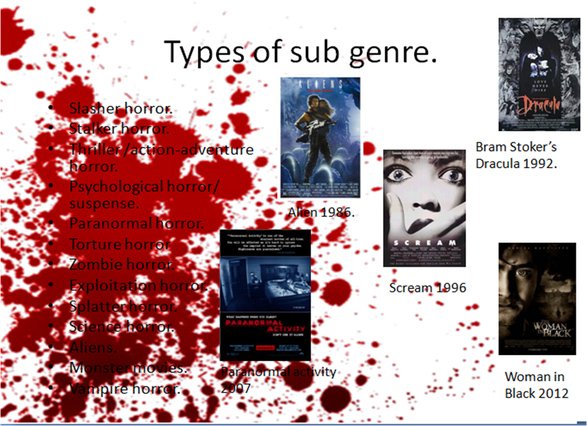
- Core Pillars: The genre primarily breaks down into Ghost Hunting, UFO/Alien Encounters, Cryptid Investigations, and broader Paranormal Mysteries.
- Hybrid Forms: Look for reality-horror blends (designed for scares), and shows integrating mediums or exploring demonic phenomena.
- The Entertainment Factor: While often framed as investigations, many experts agree paranormal TV is primarily entertainment, relying on suspense, formulaic narratives, and a "maybe magic, maybe mundane" ambiguity rather than strict scientific method.
- Plausibility Structures: These shows offer compelling frameworks for audiences to interpret death, the afterlife, and unexplained events.
- Enduring Appeal: Our primal desire to understand the inexplicable, combined with advancing technology, ensures the genre's continued evolution and popularity.
The Unseen, Unscripted, Unforgettable: Why We Tune In
Humanity has always gazed at the shadows, pondering what lurks just beyond our perception. Before television, these tales lived in pamphlets like Daniel Defoe’s 1705 account of Mrs. Veal’s apparition or whispered around campfires. The small screen simply amplified these age-old anxieties and curiosities, giving them a visual, immediate platform.
The journey began modestly in the 1960s, with local news segments dabbling in ghost stories. The first dedicated dive came with One Step Beyond (1959-1961), marketed as true-life experiences, setting a precedent for the "based on a true story" hook that continues to reel in viewers. Later, Leonard Nimoy's In Search of... (1977-1982) broadened the scope, venturing into UFOs, cryptids, and lost civilizations, proving that the appetite for unexplained phenomena stretched far beyond just ghosts. Then came Unsolved Mysteries (1987-2002), which occasionally included paranormal cases, further solidifying the documentary-style approach.
But the true watershed moment, which defined the visual language and immersive feel of modern paranormal TV, was MTV's Fear in 2000. It wasn’t just about observing; it was about experiencing. With investigators filming themselves using portable cameras, the show created a raw, immediate intimacy that made the purported scares feel intensely personal. This style, combined with dramatic music and quick editing, spawned a legion of imitators, establishing the reality-horror hybrid sub-genre and cementing paranormal programming as a lucrative staple across various networks.
Decoding the Dial: Major Genres of Paranormal TV
Today, paranormal television isn't just one monolithic entity. It's a rich tapestry woven from distinct investigative approaches, thematic focuses, and dramatic conventions. Understanding these genres helps you appreciate the nuanced ways these shows engage our fascination with the unknown.
The Ghost Hunters: Whispers from the Other Side
This is arguably the most recognizable and prolific sub-genre. Ghost hunting shows take viewers directly into purportedly haunted locations – old prisons, decrepit mansions, battlefields, and everyday homes. The premise is simple: use technology to detect, record, and interpret evidence of spirits.
Defining Characteristics:
- Technological Toolkit: Expect to see EMF meters, thermal cameras, spirit boxes (devices said to scan radio frequencies for spirit voices), night vision cameras, and digital voice recorders (for EVPs – Electronic Voice Phenomena).
- Experiential Focus: Investigators often encourage spirits to interact, asking questions and reacting dramatically to perceived phenomena. They might employ a "trigger object" to provoke a response from an entity associated with it.
- Varying Credibility: Shows range from earnest, low-budget investigations to high-gloss productions with theatrical scares. The line between genuine experience and manufactured drama can be blurry.
Key Shows & Their Flavors: - Ghost Hunters (2004-present): The pioneers on Sci Fi (later Syfy), these plumbers-turned-paranormal investigators popularized the methodical, often skeptical approach, though their evidence was rarely conclusive. They paved the way for the genre's expansion.
- Ghost Adventures (2008-present): Known for its intense, confrontational style and the passionate (some might say over-the-top) reactions of its hosts. They often lock themselves down in highly active locations, pushing boundaries to provoke responses.
- Kindred Spirits (2016-present): Features paranormal investigators Amy Bruni and Adam Berry, often working with families to help them understand and cope with hauntings, frequently incorporating a medium's insights.
- Ghost Nation (2019-present): Reuniting Ghost Hunters alumni Jason Hawes, Steve Gonsalves, and Dave Tango, this show blends their classic investigative style with modern tech and a focus on assisting local teams.
Common Tropes in Ghost Hunting TV: - Poltergeist: The unseen entity that throws objects, makes noises, and physically interacts with the environment, causing chaos. This is a common claim in many investigations.
- Supernatural Hotspot Town: Certain locations or towns are frequently portrayed as magnets for paranormal activity, drawing investigators back repeatedly. Think places like Gettysburg or specific historical sites.
- Ghostly Wail: The mournful, often distorted audio capture attributed to a spirit, adding to the creepy atmosphere.
- Altered Item/Altered World Events: Everyday objects believed to be cursed or infused with strange energies due to a past event or tragedy in the location.
UFO & Alien Encounters: Are We Alone?
Venturing beyond earthly spirits, this genre explores the possibility of extraterrestrial life and contact. These shows delve into unexplained aerial phenomena, alleged alien abductions, ancient astronaut theories, and government cover-ups.
Defining Characteristics:
- Witness Testimony: Often relies heavily on personal accounts of sightings, encounters, or abductions.
- "Evidence" Review: Examination of photographs, videos, radar data, and physical traces left at alleged landing sites.
- Historical & Theoretical Focus: Many shows explore ancient myths and structures, proposing that advanced alien civilizations influenced early human development.
Key Shows & Their Flavors: - UFO Files (2004-2007) & UFO Hunters (2008-2009): These History Channel series meticulously examined UFO incidents, often bringing in experts and eyewitnesses to analyze evidence.
- Ancient Aliens (2010-present): Perhaps the most famous of this sub-genre, it explores the ancient astronaut theory, suggesting that historical texts, archaeological sites, and cultural phenomena can be explained by contact with extraterrestrial beings. It’s known for its dramatic assertions and provocative questions.
- In Search of... (1977-1982, revived 2018): While broader, this iconic series frequently covered UFOs and alien encounters, legitimizing the topic for a mainstream audience.
Common Tropes in UFO/Alien TV: - Maybe Magic, Maybe Mundane: The constant tension between a conventional explanation (weather balloon, misidentification) and a supernatural/alien one, which is central to the genre's appeal.
- Pineal Weirdness: The idea that a specific part of the brain might be linked to perceiving these higher-dimensional or extraterrestrial phenomena, often discussed in more speculative series.
Cryptid & Monster Hunts: Beasts in the Shadows
From the elusive Bigfoot to the monstrous Loch Ness creature, this genre takes viewers on expeditions to find legendary creatures, often blending folklore with field science.
Defining Characteristics:
- Expeditionary Format: Teams journey into remote wilderness areas, jungles, or bodies of water, using traps, thermal cameras, and sonar.
- Eyewitness Accounts: Interviews with people who claim to have seen these creatures are central to guiding investigations.
- Forensic Analysis: Examination of alleged tracks, hair, or other physical evidence.
Key Shows & Their Flavors: - MonsterQuest (2007-2010): A popular History Channel series that investigated a wide range of cryptids, from Bigfoot to lake monsters and even unexplained animal attacks, often employing a more scientific veneer.
- Destination Truth (2007-2012): Josh Gates and his team traveled the globe to investigate various legends and cryptids, blending adventure travel with paranormal investigation.
Common Tropes in Cryptid TV: - Creepy Cave: Often featured as potential lairs for cryptids or sites of ancient, mysterious occurrences.
- Maybe Magic, Maybe Mundane: As with UFOs, the constant debate between a newly discovered species, a known animal, or a hoax.
General Paranormal Investigations & Mysteries: The Catch-All Enigma
This genre acts as a broader umbrella, encompassing shows that explore a variety of unexplained phenomena, historical mysteries with a supernatural slant, and cases that don't fit neatly into the other categories.
Defining Characteristics:
- Diverse Scope: Covers everything from curses and historical hauntings to psychic phenomena and strange historical anomalies.
- Documentary Style: Often features historical reenactments, expert interviews (historians, parapsychologists), and archival footage.
- Case-Based: Each episode typically focuses on a different mystery.
Key Shows & Their Flavors: - In Search of... (1977-1982, revived 2018): The quintessential show in this category, it explored everything from Amelia Earhart's disappearance to spontaneous human combustion, often touching on the paranormal.
- Unsolved Mysteries (1987-2002, revived 2020): While mostly true crime, this show frequently featured paranormal segments, including ghost stories, psychic premonitions, and UFO sightings, using dramatic reenactments and viewer appeals for information.
Common Tropes in General Paranormal TV: - Occult Detective: A character or expert specializing in supernatural cases, providing insights or leading the investigation. This is a common archetype in many of these shows, even if they aren't explicitly called "detectives."
- Mortality Grey Area: Cases involving characters or phenomena considered neither fully alive nor dead, or existing in some liminal state, such as lingering spirits or undead entities.
- Telepathy: Individuals with reported telepathic abilities are sometimes consulted in investigations, adding another dimension to problem-solving.
- Altered World Events: Historical events where inexplicable circumstances or objects (anomalous art, cursed artifacts) are investigated for their supernatural origins.
Beyond the Basics: Emerging & Hybrid Sub-genres
The paranormal TV landscape isn't static. Producers are constantly innovating, blending formats, and pushing boundaries to create new and compelling viewer experiences.
Reality-Horror Hybrids: When the Scare is the Show
These shows blur the lines between reality television and scripted horror, often prioritizing jump scares and intense experiences over purely investigative rigor. They emerged largely from the influence of MTV's Fear.
Defining Characteristics:
- Immersive & Experiential: Participants (sometimes celebrities, sometimes regular people) are placed in supposedly terrifying situations.
- First-Person Perspective: Heavily relies on handheld cameras, body cams, and night vision to create a sense of direct participation for the viewer.
- Psychological Focus: Aims to capture the fear and genuine reactions of the participants.
- Staged Scares & Pranks: Some shows lean into elaborate setups to elicit fear, occasionally even tricking participants or viewers.
Key Shows & Their Flavors: - MTV's Fear (2000-2002): The seminal show, it sent teams into "real" haunted locations with minimal guidance, documenting their terrified reactions.
- Scariest Places on Earth (2000-2006): Similar to Fear, often with a host narrating and participants enduring spooky challenges in haunted locales.
- Scare Tactics (2003-2013): This show explicitly featured hidden camera pranks, where actors (and sometimes mild special effects) created elaborate paranormal scenarios to terrify unsuspecting victims, highlighting the entertainment value of fear.
Common Tropes in Reality-Horror Hybrids: - Horror Hates a Rulebreaker: The subtle (or not-so-subtle) implication that violating certain rules or boundaries in a haunted location will lead to dire supernatural consequences, adding tension.
- Sleep Paralysis Creature: Participants might recount experiences of feeling a supernatural presence or seeing figures during sleep paralysis in a haunted location, blending personal terror with the paranormal.
- Creepy Children Singing/Creepy Monotone: Often used as atmospheric background elements to heighten dread or as the perceived voices of child spirits during investigations.
Mediums & Psychic Investigations: Bridging the Veil
While often integrated into broader ghost hunting shows (like Kindred Spirits), some programs focus more intently on individuals who claim to communicate with spirits or possess psychic abilities. They act as human "divining rods," offering insights that technology cannot.
Defining Characteristics:
- Intuitive Guidance: The medium provides interpretations, messages, and historical details that are then corroborated (or attempted to be corroborated) by the investigative team.
- Emotional Resonance: Often focuses on providing closure to families or spirits.
- Subjectivity: Relies heavily on the medium's personal experiences and perceptions, which can be difficult to verify objectively.
Common Tropes in Medium/Psychic TV: - Medicate the Medium/Mentally Unwell, Special Senses: Shows might subtly or explicitly hint at a medium's past struggles or "gifts" being mistaken for mental health issues, validating their unique perceptions.
- Astral Projection: Discussed as a means by which sensitives might explore a haunted location or communicate with entities on another plane.
- Telepathy: The ability to communicate directly with spirits or receive their thoughts and emotions, which is central to a medium's alleged skill set.
Demonic & Occult Investigations: Facing Pure Evil
This sub-genre delves into the darker, more intense side of the paranormal, focusing on alleged demonic possessions, curses, and occult activity. These shows often carry a heavier, more serious tone, sometimes incorporating religious figures or specialized demonologists.
Defining Characteristics:
- Exorcism & Deliverance: May depict or allude to rituals aimed at expelling malevolent entities.
- Intense Phenomena: Often features extreme physical manifestations, personality changes, and heightened fear.
- Spiritual Warfare: Framed as a battle between good and evil, with high stakes for those involved.
Key Shows & Their Flavors: - Paranormal State (2007-2011): While covering a range of paranormal activity, this A&E series frequently featured cases of alleged demonic possession and the involvement of Catholic demonologists, distinguishing it with its focus on the more sinister aspects of the supernatural.
Common Tropes in Demonic/Occult TV: - Demonic Possession: The central theme, where an evil spirit is believed to take over a person's body or mind, leading to extreme and terrifying behaviors.
- Voice of the Legion: The chilling, multi-layered voice often attributed to a possessing entity, making it sound more powerful and terrifying.
- Necromancer: While direct necromancy (raising the dead) is less common in reality TV, the concept of individuals interacting with or manipulating spirits for specific purposes touches on this trope.
The Art of the Unexplained: Storytelling, Suspense, and Skepticism
The beauty of paranormal television isn't just in the "what if?" – it's in the "how they tell us." These shows are masters of suspense, crafting narratives that exploit our primal fear of the unknown.
The "Reality" Question: Entertainment vs. Science
It's crucial to approach paranormal TV with a critical eye. As Mike Hale of The New York Times aptly put it, ghost hunting shows are "pure theater," akin to professional wrestling. Ed Stockly of the Los Angeles Times further noted that while these shows promise a skeptical, science-based approach, they often fail to deliver consistently.
Science writer Sharon A. Hill emphasizes that these programs are designed as entertainment, not scientific documentaries. Their "reality" is frequently boosted for pacing and dramatic effect. This doesn't necessarily mean they're entirely fraudulent, but their primary goal is to entertain and evoke wonder, not to prove the existence of ghosts or aliens definitively.
However, Diane Dorby offers a fascinating perspective: paranormal reality TV shows provide "plausibility structures." They offer audiences frameworks for interpreting death, loss, and the experience of the afterlife. In a world often devoid of easy answers about what happens after we die, these shows, even with their theatricality, offer a communal space to explore those profound questions. Whether you're a devout believer or a staunch skeptic, the shared experience of watching these shows provides a connection to the human desire for meaning in the face of the inexplicable.
Crafting the Creep: How Tropes Elevate the Experience
The effectiveness of paranormal TV lies in its skillful deployment of familiar tropes – storytelling devices that resonate deep within our psyche, making the unfamiliar feel eerily close.
- Maybe Magic, Maybe Mundane: This is the beating heart of much paranormal TV. The ambiguity keeps us guessing. Was that a real EVP, or just interference? Was that shadow a ghost, or just a trick of the light? This constant tension hooks the viewer, allowing them to draw their own conclusions.
- Supernatural Hotspot Town: The idea that certain places are magnets for activity adds a layer of lore and mystique, suggesting that these phenomena aren't random but concentrated, making them prime targets for investigation.
- Occult Detective: Even if not a traditional gumshoe, the figure of the experienced investigator (often an ex-cop, security guard, or dedicated researcher) grounds the fantastical, providing a relatable human lens through which to navigate the supernatural.
- Ectoplasm: While rarely "captured" in its gooey form today, the idea of physical manifestations of spiritual energy (like cold spots, inexplicable mists, or disembodied voices) directly relates to this classic trope, aiming to provide tangible "evidence."
These tropes, whether subtle atmospheric details or overt narrative hooks, combine to create an immersive experience. They are the language of the unknown, spoken fluently by the most engaging paranormal programs on TV. To delve deeper into the types of compelling narratives and investigations that capture audiences, you can Explore paranormal programs on TV to see the wide range of shows that fit these categories.
Navigating the Paranormal Landscape: A Viewer's Guide
So, how do you, the discerning viewer, best enjoy and understand the diverse world of paranormal television?
- Identify the Sub-genre: Before you settle in, recognize what kind of show you're watching. Is it an earnest ghost hunt, a speculative alien documentary, or a reality-horror experience? Your expectations will vary significantly.
- Appreciate the Storytelling: Regardless of your belief system, acknowledge the skill involved in building suspense. Look at how they use sound, lighting, editing, and the reactions of the investigators to craft a compelling narrative.
- Question, But Don't Necessarily Dismiss: A healthy dose of skepticism is good. Ask yourself: Is this evidence truly conclusive? Are there alternative explanations? But also, allow yourself to engage with the "what if." The power of these shows lies in their ability to make you ponder possibilities.
- Understand Production Choices: Remember that what you see is a curated experience. Episodes are edited for pacing, drama, and clarity. Not every moment of an investigation makes it to air, and sometimes effects are enhanced or fabricated for entertainment.
- Look for Consistency (or lack thereof): Do the investigators follow their own rules? Do their "scientific" methods seem sound, or are they applied inconsistently? This can be a tell-tale sign of entertainment over strict inquiry.
The enduring allure of paranormal TV isn't about definitive answers; it's about the journey into the unknown. It’s about the thrill of possibility, the shiver of fear, and the comfort of shared wonder.
The Enduring Allure of the Unknown: What's Next?
From the earliest local news segments about a ghostly encounter to the high-tech explorations of cosmic mysteries, paranormal television has carved out a permanent niche in our cultural consciousness. Networks like Travel Channel have even moved exclusively into paranormal programming, proving the immense and sustained public interest in topics like Bigfoot, UFOs, and spectral entities.
As technology advances, so too will the methods and presentations of these shows. Drones, AI-powered analysis, virtual reality, and even more sophisticated sensors will undoubtedly be integrated, promising new ways to "detect" and "experience" the unseen. Yet, the core appeal will remain the same: our innate desire to peek behind the curtain of reality, to find meaning in the unexplained, and to simply be thrilled by the thought that we might not be alone—in this world or the next. The search for answers continues, and television will always be there to bring us along for the ride.